Central banks are taking center stage this week
Another busy central bank week is upon us. The central bank's decisions will be crucial for educating markets about future direction, as the discussion on policy is likely to influence market volatility.
7 major central banks meet this week
Another busy central bank week is upon us, with the Federal Reserve, Bank of Canada, Reserve Bank of Australia, European Central Bank, Bank of England, Swiss National Bank, and Bank of Japan grabbing the spotlight. The Fed and BOJ meetings will probably draw the most attention, but the RBA meeting could also produce a significant impact. The Reserve Bank of Australia (RBA) will kick off a week of central bank decisions on Tuesday. The RBA is expected to raise interest rates again in response to rising inflationary pressures caused by oil prices.
FOMC decision lands on Wednesday
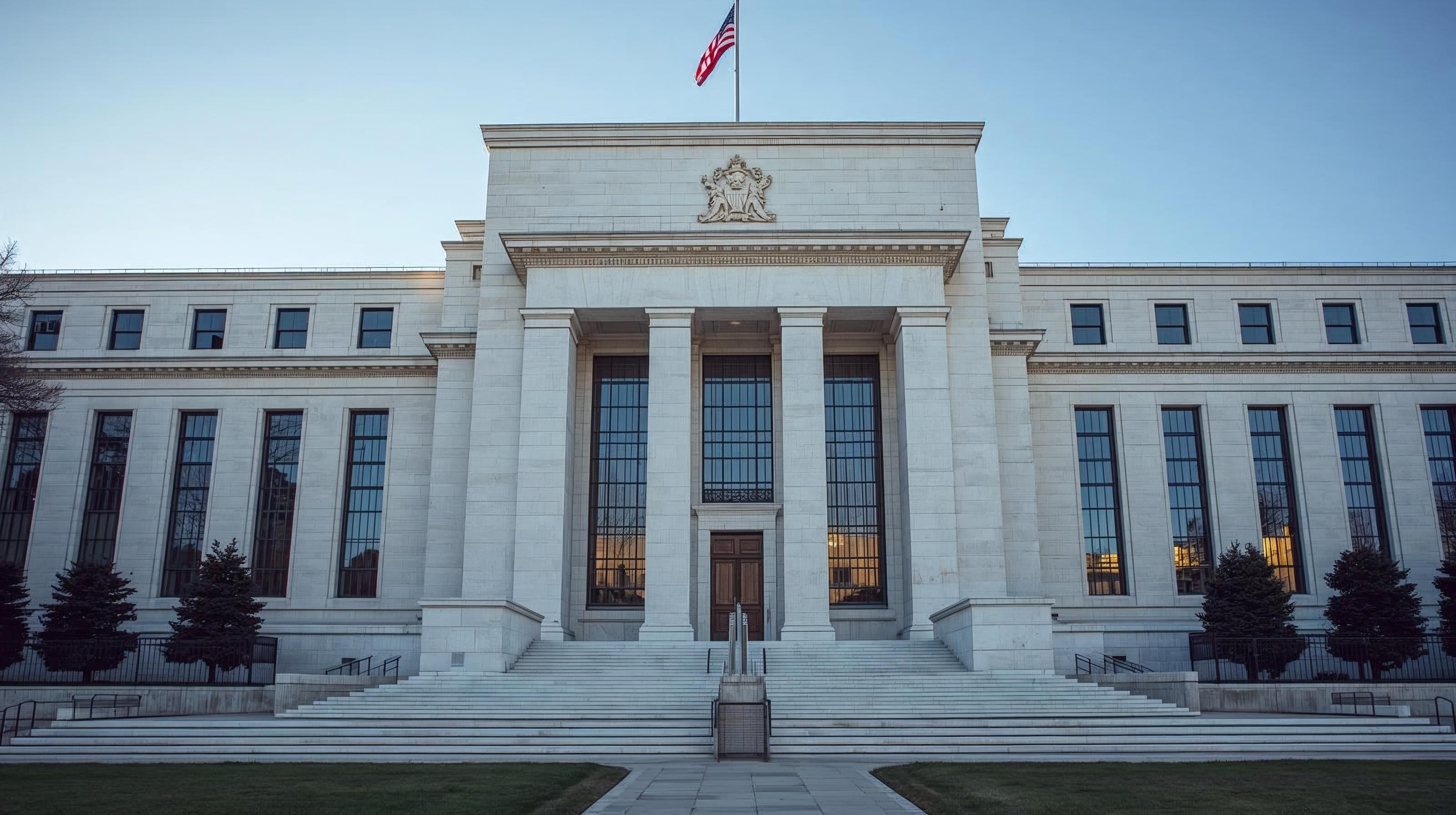
The FOMC will announce its interest rate decision on Wednesday, followed by a press conference with Chairman Jerome Powell. Markets broadly expect the US central bank to hold interest rates unchanged, but the meeting could provide more information about the timing of future rate decreases. CME Fedwatch forecasts a 98.1% chance that the Fed will keep interest rates steady on March 18th. Despite anticipated pricing pressures from rising global uncertainties, this possibility is based on recent inflation data and signs of a cooling labor market. Therefore, the main attention will be on Fed Chair Powell's speech for indications regarding potential future rate cuts or whether the Fed will decide to pause.
The Bank of Canada will be another major central bank to update its policy on Wednesday. On Thursday, rate decisions will follow from the BOJ, BOE, SNB, and ECB. The Bank of Japan (BOJ) is anticipated to maintain its current borrowing costs this week as well. However, traders will be paying close attention to any indications that it may accelerate its rate hikes.
Disclaimer! This material is not intended as investment advice. Past performance data does not guarantee future profits. Investing in foreign currencies may affect your returns due to their fluctuations. Any securities transaction may result in both profits and losses. The assumptions and expectations set forth in the material are only estimates that may not be accurate and may change according to current economic conditions. These statements do not guarantee future performance.

Meet Syam KP, a financial markets professional with more than fourteen years of experience in forex, CFDs and capital markets. Since 2012, he has worked with several brokerage firms as a trader and market strategist, developing a practical understanding of how markets move. He also holds a qualification from CISI in the United Kingdom.
At FX Junction, Syam turns complex market information into clear and useful insights. His work combines technical and fundamental analysis, portfolio management, risk management and timely commentary on global developments. Whether markets are calm or moving fast, Syam focuses on what matters most: understanding the bigger picture, spotting meaningful opportunities and keeping risk firmly in view.
Relaterte artikler
Gold Rebounds as KOSPI Selloff Triggers Halt
Gold recovers as Asian stocks fall and South Korea’s KOSPI triggers a 20-minute trading halt. The immediate question is whether a softer dollar can sustain the rebound while inflation keeps interest-rate risks in focus.
Les mer →ASML Posts Record Sales and Lifts Its Outlook
ASML reports record sales and a stronger outlook as customers expand their AI investment plans. The immediate question is whether the company can turn rising equipment demand into sustained earnings growth while increasing production capacity.
Les mer →